
The maritime industry in British Columbia
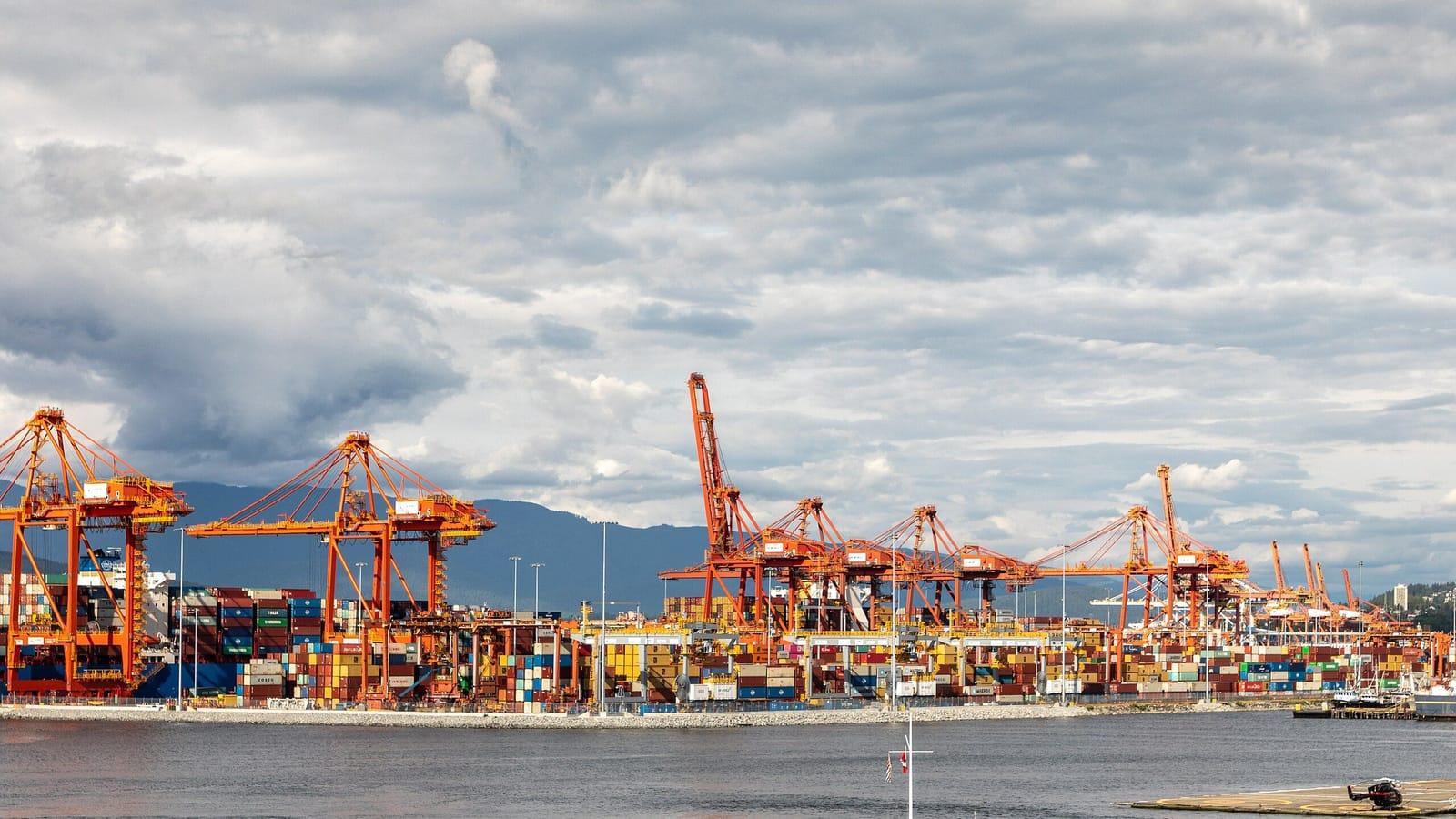

The Pacific coast
British Columbia's marine industry sits on the Pacific coast, from the Strait of Georgia and the Fraser River in the south to the Inside Passage, Douglas Channel and Portland Canal in the north. Much of that coastline is inlets and channels, so ports and terminals tend to be tied to a single industry or town.
The Pacific Pilotage Authority, a federal Crown corporation created under the Pilotage Act, provides marine pilotage in the coastal waters of British Columbia, including the Fraser River. Its head office is in Vancouver.
Ports and how they are governed
The registry lists 37 ports in the province. The Canada Port Authorities are the Port of Vancouver, the Port of Prince Rupert, the Port of Nanaimo and the Port of Port Alberni, 4 in all. Under the Canada Marine Act, a port authority acts as an agent of the Crown only for its port activities.
Prince Rupert shows how recent the northern ports are. The Prince Rupert Port Authority says the city was built as the terminus of the Grand Trunk Pacific Railway, that the port was declared a National Harbour in 1972, and that the authority was created in 1997. It also says the Fairview Terminal was expanded in 2017 to a capacity of 1.3 million containers a year.
Outside the authorities, 10 ports are Transport Canada public ports, mostly small coastal wharves such as Bella Bella, Klemtu, Kyuquot and Sandspit. The Port of Victoria is in the same group.
The remaining 23 are private terminals built for one operator or one cargo. They include pulp and paper wharves at Crofton and Port Mellon, quarry and aggregate terminals, and bulk terminals such as Westshore Terminals at Roberts Bank. On the north coast at Kitimat, the registry lists the LNG Canada Export Terminal and Cedar LNG Terminal, alongside the Rio Tinto Kitimat marine terminals.
Who operates here
The registry lists 307 companies headquartered in British Columbia. The largest groups are Marine Services (133), Logistics (24) and Shipyard (21). By city, the largest clusters are Vancouver (54), Prince Rupert (43) and North Vancouver (21), with 54 companies headquartered in Vancouver itself.
Marine services are the largest group, with 133 companies, and the registry lists 21 shipyards. Most of them work on tugs, barges and fishing boats. Repair yards line the Fraser River in Richmond, and others are in North Vancouver, Victoria and Esquimalt, Campbell River and Prince Rupert, with smaller boatyards on Vancouver Island and the central coast.
Several sectors are tied to the cargo that moves through the ports. There are 16 oil and gas companies, 9 mining companies, 7 forestry companies and 9 manufacturers, which fits the resource terminals described above.
The services around those ports are listed too. The registry includes 18 shipping agents, 16 terminal operators and 24 logistics companies. It also lists 13 marine insurance companies and 4 maritime law firms, and 12 government bodies.
Where to start
To see everyone, browse the companies in British Columbia. For repairs and refits, see shipyards and marine services. For vessel calls, start with shipping agents. For terminal work, see terminal operators. For cover and legal advice, look at marine insurance.
For ports, open the Port of Vancouver or the Port of Prince Rupert.
Sources
British Columbia in numbers
Take a closer look
You're missing 307 head office locations and contacts for 36 ports in British Columbia.
With an account, you can see them on every profile. It only takes 30 seconds to sign up.