
The maritime industry in Nunavut
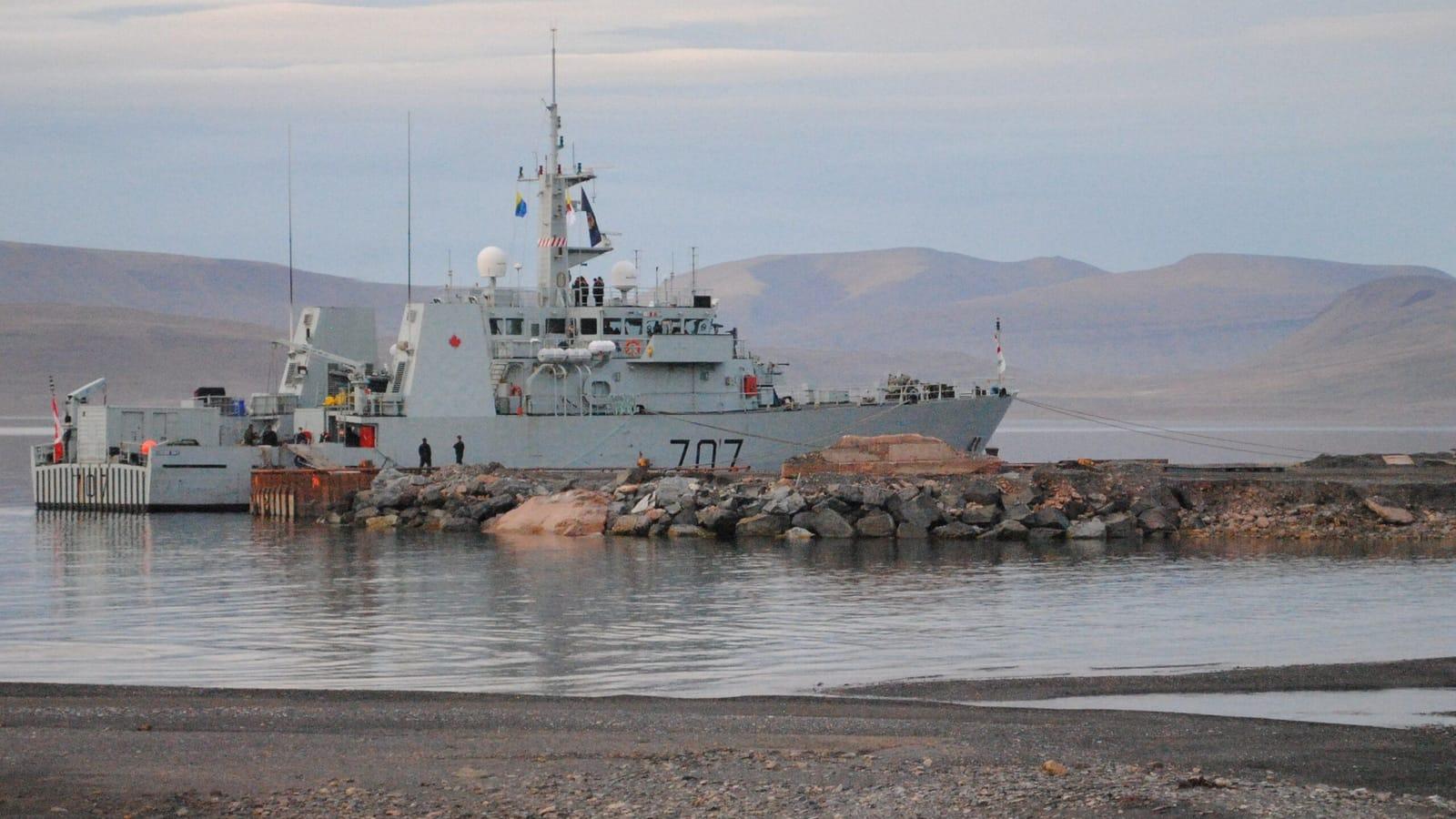

The water
Communities in Canada's Arctic rely on marine sealift and re-supply for food and other essential goods. Transport Canada describes the Arctic sealift and re-supply season as short and the communities as remote, which makes shipping difficult. Sea ice limits the work. The federal government notes that the construction of the Iqaluit port had to fit a four-month shipping and construction season.
The registry places its Nunavut ports on Frobisher Bay, Davis Strait, Hudson Bay, Admiralty Inlet and the Arctic coast.
Ports
The registry lists 7 ports in Nunavut. 4 are public or government-owned, and 3 are private.
The Iqaluit Deep Sea Port has been fully operational since the 2023 resupply season. The federal government describes it as the first port facility in the Canadian Arctic built specifically to serve community needs, rather than only mining or defence. It cost $92.3 million, with $63.7 million from the Government of Canada. Before it opened, cargo could be offloaded only in narrow tidal windows, sometimes one or two hours in a 12-hour period. The same work now takes about two and a half days.
Other public ports include Qikiqtarjuaq, the Rankin Inlet sealift site and the Nanisivik Naval Facility. The private ports serve mines, including the Milne Inlet Ore Dock.
Who operates here
The registry lists 14 companies headquartered in Nunavut, mostly in a few communities. The groups are Logistics (4), Marine Services (4) and Port Operator (3). 4 companies are in Iqaluit, and others are in places such as Qikiqtarjuaq and Baker Lake.
Where to start
Browse the Nunavut directory, or go straight to marine services and logistics. For ports, begin with the Iqaluit Deep Sea Port.
Sources
Nunavut in numbers
Take a closer look
You're missing 14 head office locations and contacts for 4 ports in Nunavut.
With an account, you can see them on every profile. It only takes 30 seconds to sign up.